







Product Name: Package Car (P1000-series walk-in delivery van)
Brand: UPS
Category: Commercial delivery vehicle
Manufacturer: Morgan Olson (body); United Parcel Service (livery and operation)
Designer: No publicly verified designer has been identified for this product.
Identification Confidence: High
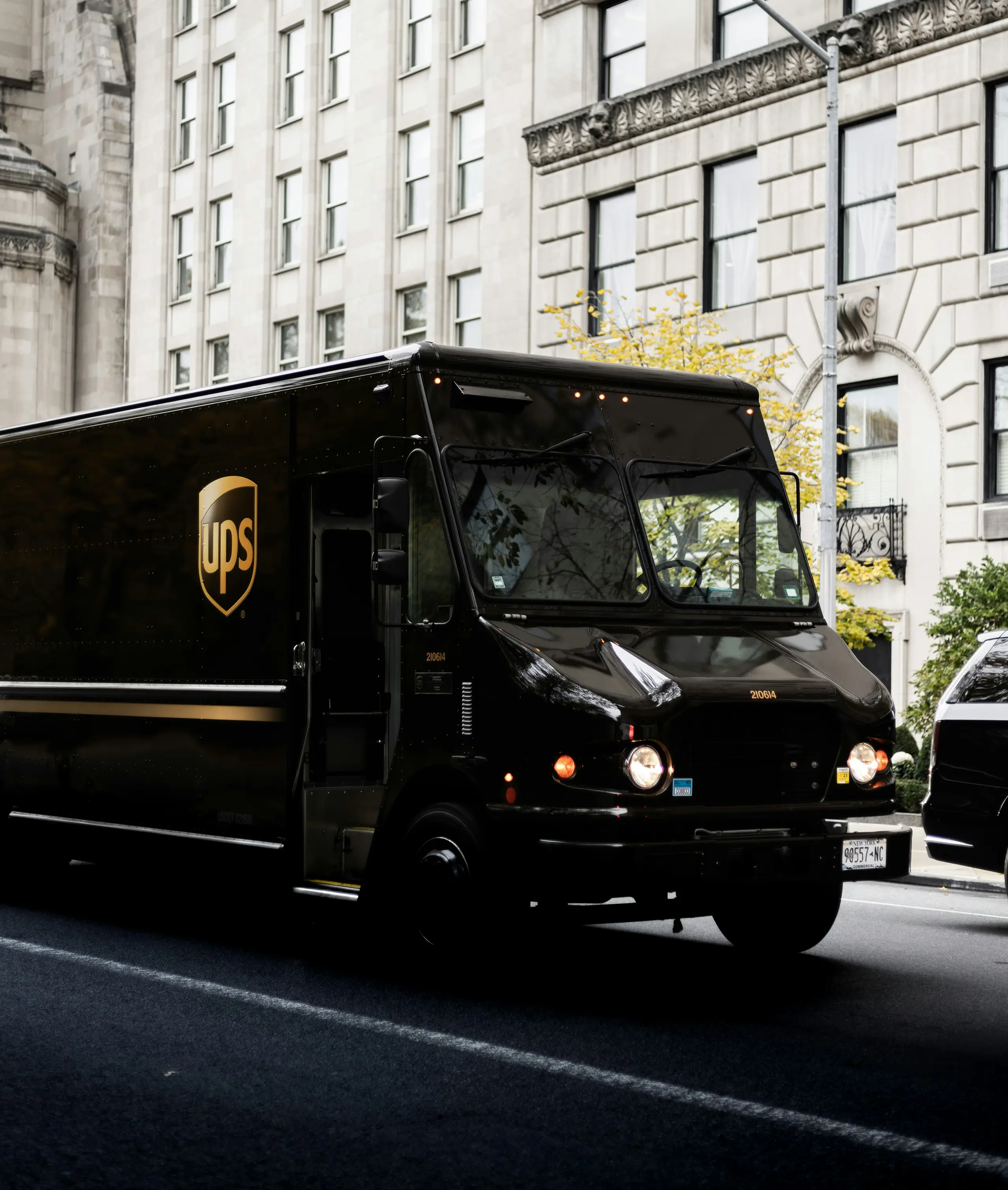
The UPS package car is an unusual case for a certification protocol built around calm, restrained design, because its form was never conceived as an aesthetic exercise — it is a walk-in cargo vehicle shaped almost entirely by the logistics of loading, driving, and stepping in and out hundreds of times a day. What emerges from that constraint, seen across all six images, is a design language that is coherent, legible, and largely free of applied ornament: a boxy, high-roofed silhouette, a single consistent brand mark, and a color and material palette that has not meaningfully changed in decades. The assessment finds this functional honesty genuinely respectful of the people who encounter it — pedestrians, other drivers, the delivery worker themselves — even where the vehicle's utilitarian openness (visible steps, an open cab, exposed mechanisms) introduces a rougher, less resolved visual character than a consumer product would allow.
Vand Score 87/ 100
Performance across the five core Vand assessment dimensions.
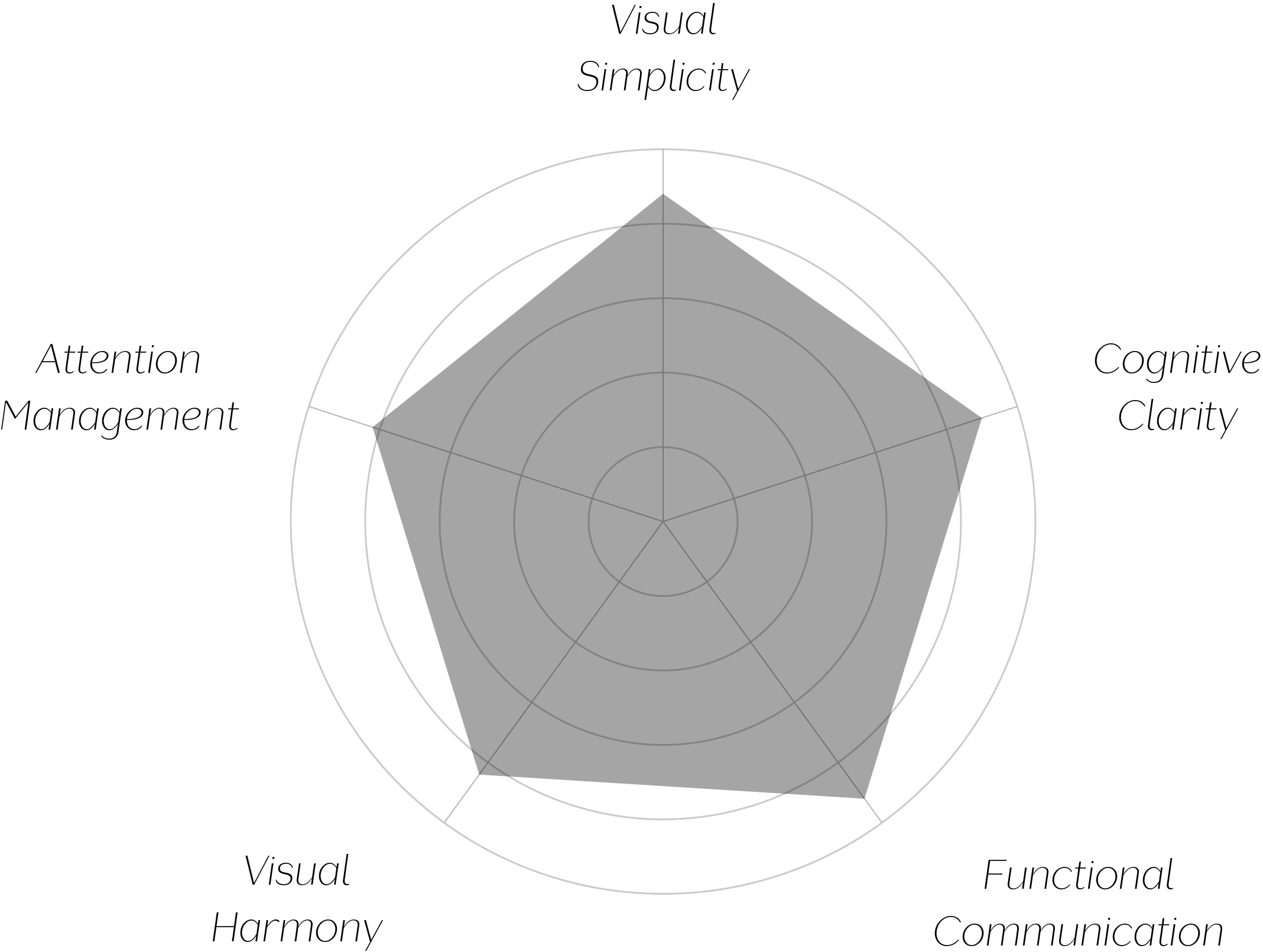
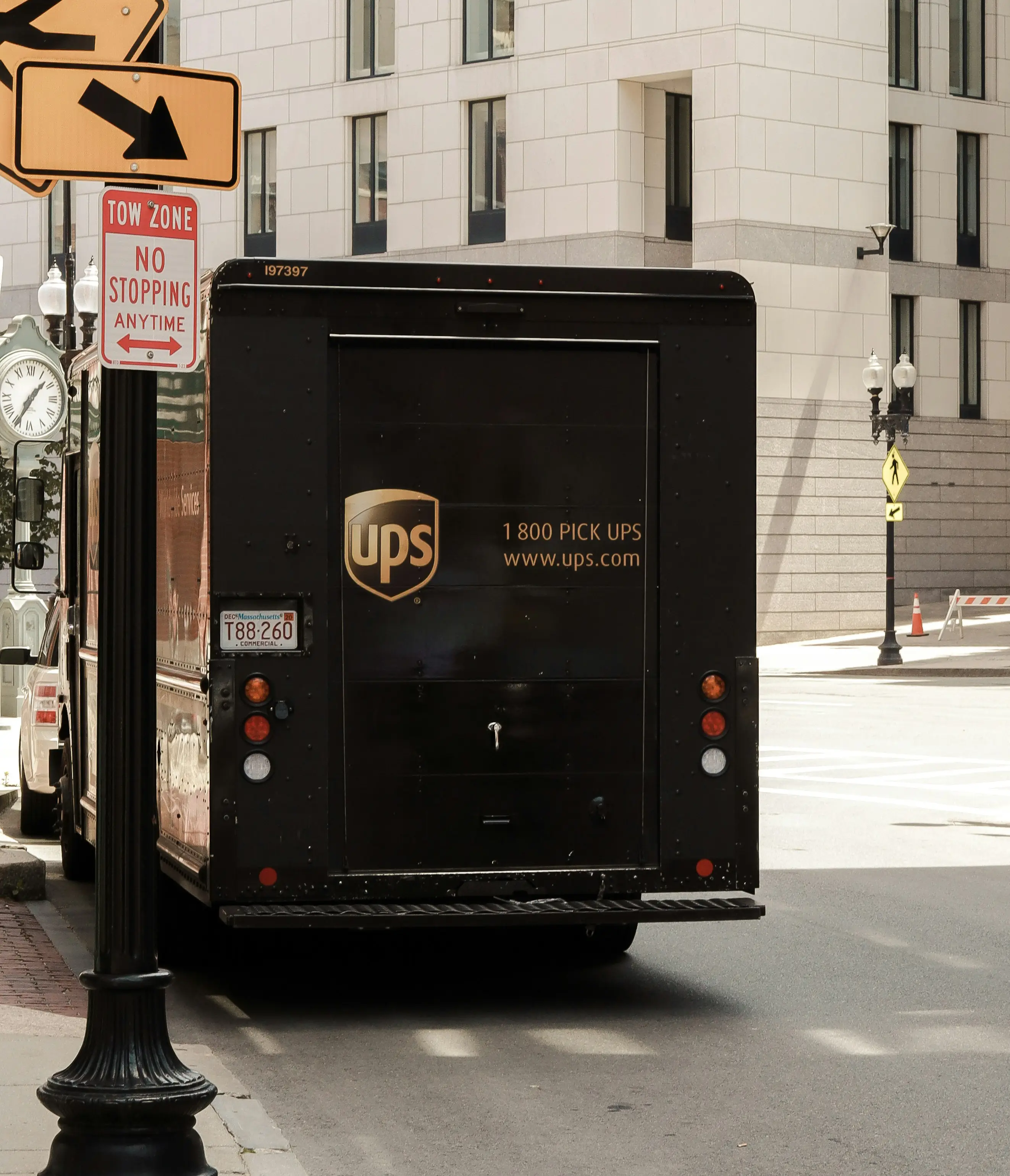
A design built entirely around function can still achieve genuine visual discipline — the package car was never styled in the conventional sense, yet its restraint in ornament and its consistency across a vast fleet demonstrate that discipline can emerge from constraint as easily as from intention.
The brand shield's effectiveness lies in its singularity: appearing once, at consistent scale and position, on a body otherwise free of graphic competition, it proves that a mark needs no reinforcement when everything around it stays quiet.
The visible gap between exterior polish and interior rawness is itself an instructive case: it shows that "the design" of an object is rarely a single decision but a set of decisions made at different levels of intentionality, and certification protocols should expect that split in any object built primarily to work rather than to be looked at.
The jury finds a design shaped almost entirely by necessity rather than aesthetic ambition, and finds that necessity, handled with consistency, can still produce a genuinely respectful object. The package car does not compete for attention beyond what its safety role requires, communicates its function without ambiguity, and carries its brand mark with a restraint many more deliberately styled products fail to match. Its unresolved interior keeps this assessment from the highest class, but the exterior discipline earns a solid Class A. Not every well-designed object was designed to be admired — some earn respect simply by doing their one job without asking for anything extra.