






Product Name: Pixel 10 Pro
Brand: Google
Category: Smartphone
Manufacturer: Google LLC
Designer: Google Pixel industrial design team, led byClaude Zellweger
Identification Confidence: High— corroborated by multiple independent manufacturer and press sources.
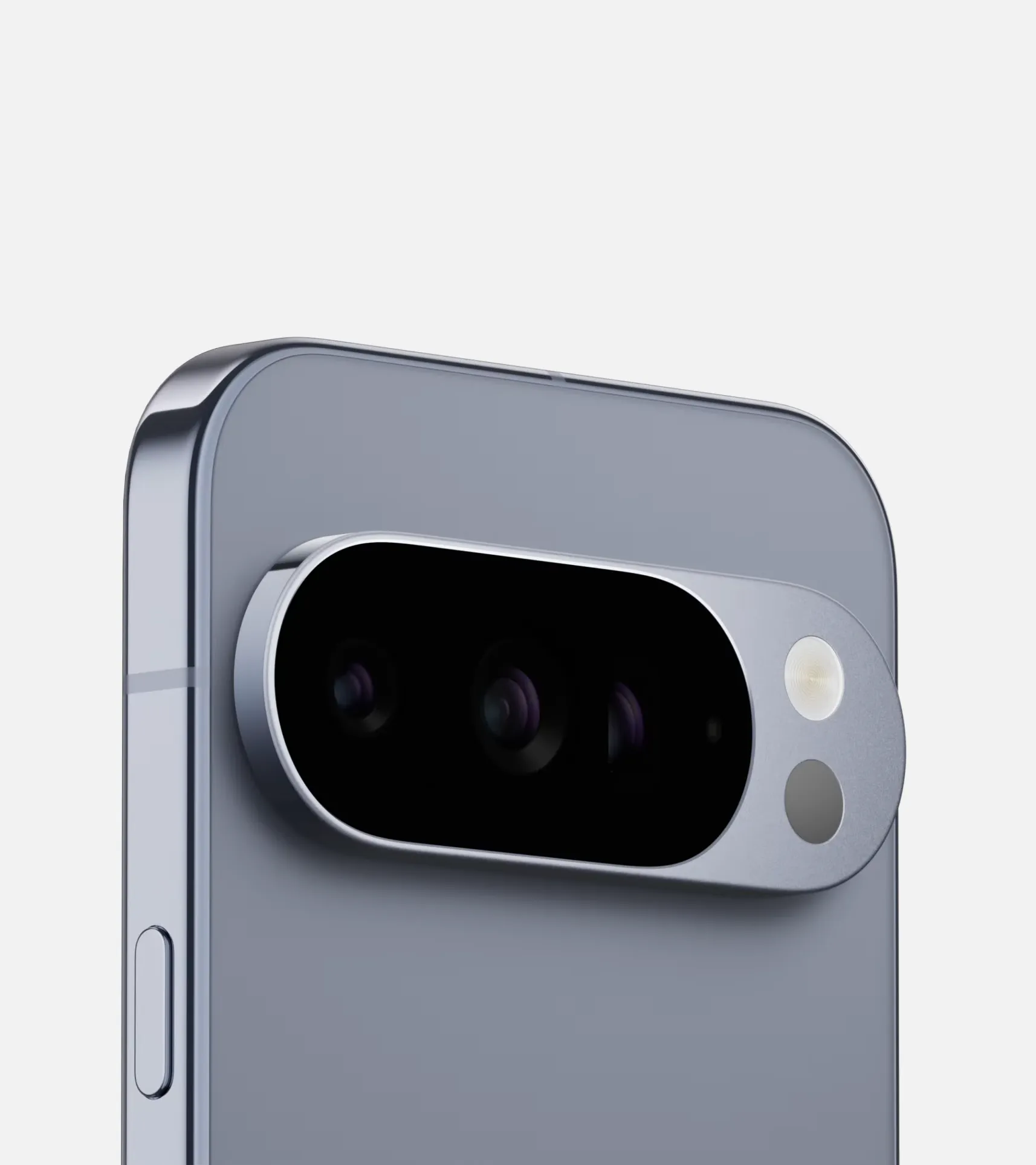
A camera system reframed as asingle integrated bar rather than a cluster of bumps, giving a now-familiarlayout real formal discipline.
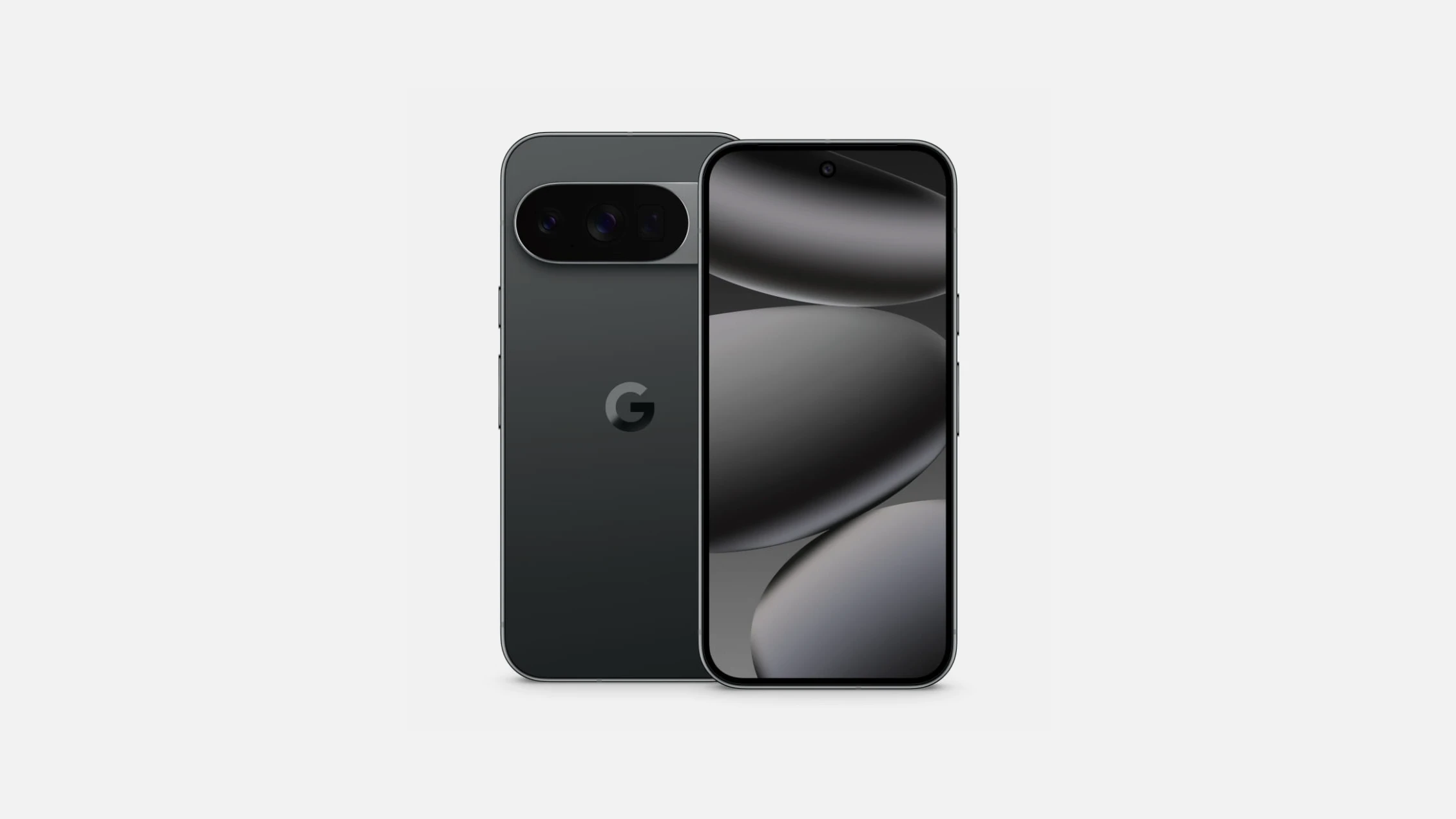
The Pixel 10 Pro's defining feature — a horizontal barspanning the full width of the back panel, housing three lenses and a flash —is treated as a continuous structural element rather than a collection ofindividually raised camera rings. This integration is the design's clearestachievement: the bar reads as part of the body's construction, not an accessorybolted onto it. The front face is kept almost entirely free of interruption,with a single small punch-hole camera the only break in an otherwise continuousdisplay. Branding is reduced to one small logo on the rear panel, applied withenough restraint that it functions as a signature rather than a statement.Colour and material are handled with similar consistency, with a matte, uniformfinish carrying across the entire rear surface including the camera bar itself.This is a design that finds real distinction through integration and restraintrather than novel geometry, and it certifies in the A class for thatdisciplined consistency.
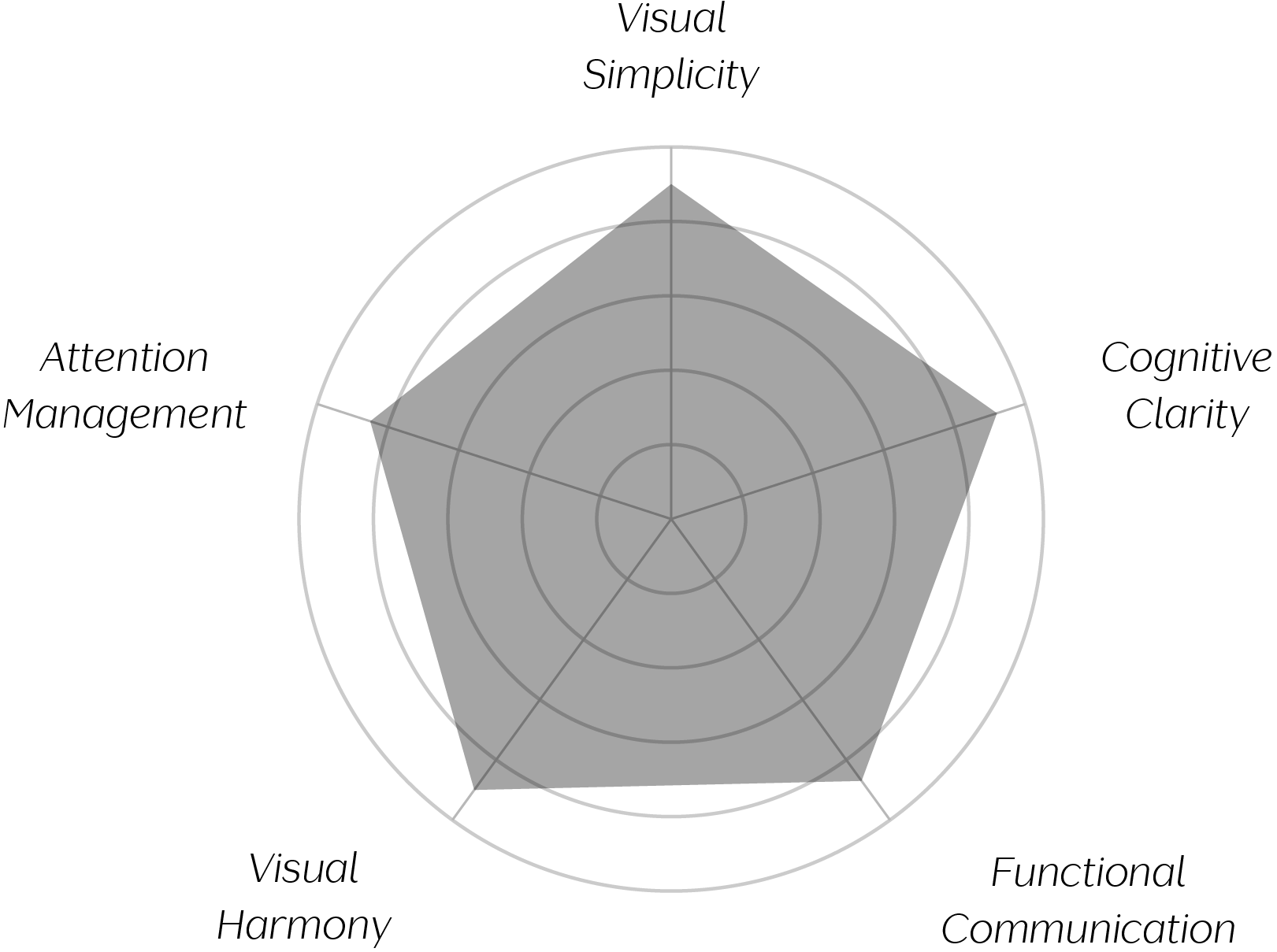
Vand Score 89 / 100
Performance across the five core Vand assessment dimensions.
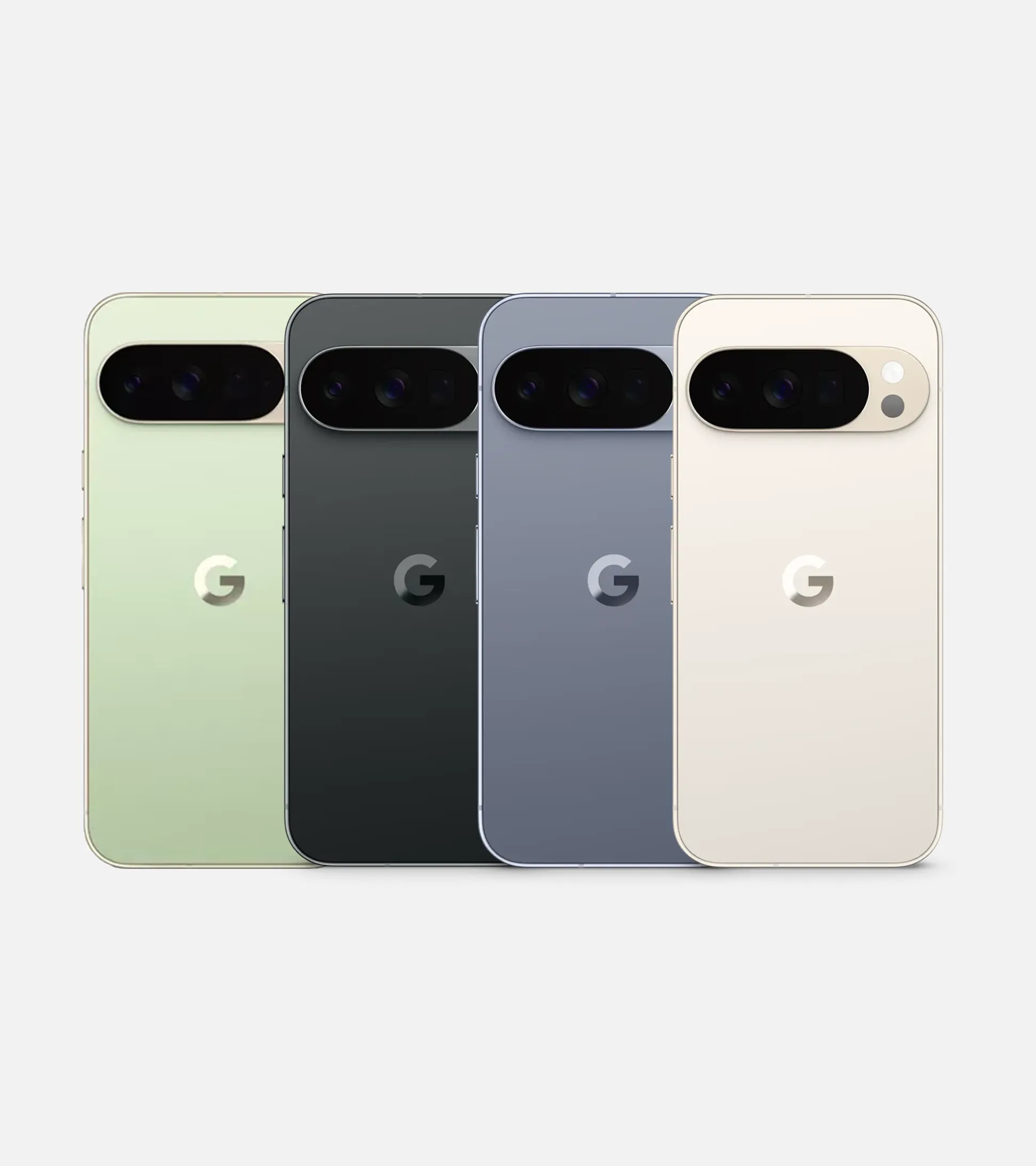
This phone demonstrates that anow-common design element — the multi-lens rear camera — can be meaningfullyreconsidered through integration rather than reinvention, merging what istypically several raised components into one continuous structural bar.
It also shows thatcolour-matching a functional component to its surrounding body, rather thancontrasting it, can make that component read as considered construction ratherthan an applied accessory.
Most instructively, the design is a useful case studyin restraint as a competitive strategy: by changing very little from awell-received predecessor and refining proportion and integration instead, theobject achieves a mature, settled character rather than novelty for its ownsake.
The evidence supportscertification at Class A. The Pixel 10 Pro succeeds by treating its mosttechnically complex component — a three-lens camera system — as an opportunityfor structural integration rather than applied styling, merging what istypically several raised elements into one confident horizontal bar thatmatches the body's material and colour precisely. Its front face achievesgenuine visual continuity, and cross-referenced side photography confirms thatsame matte material consistency extends to the frame and buttons, not just thetwo primary faces. It falls just short of the highest scores because the camerabar, while unified in silhouette, still carries enough internal detail that itsspecific functions are not fully legible without prior category knowledge. As aclosing observation: this design shows that meaningful refinement doesn'talways require a new shape — sometimes it only requires making an existing onebelong more fully to the body around it, on every visible side.