



Product Name: EETU
Brand: MYKITA (LITE ACETATE collection)
Category: Optical eyewear frame
Manufacturer: MYKITA, handmade at MYKITA HAUS, Berlin
Designer: No individual designer is publicly creditedfor this model; it is attributed to MYKITA's in-house design team, underCreative Director Moritz Krüger.
Identification Confidence: High— corroborated by multiple independent manufacturer and retailer sources.

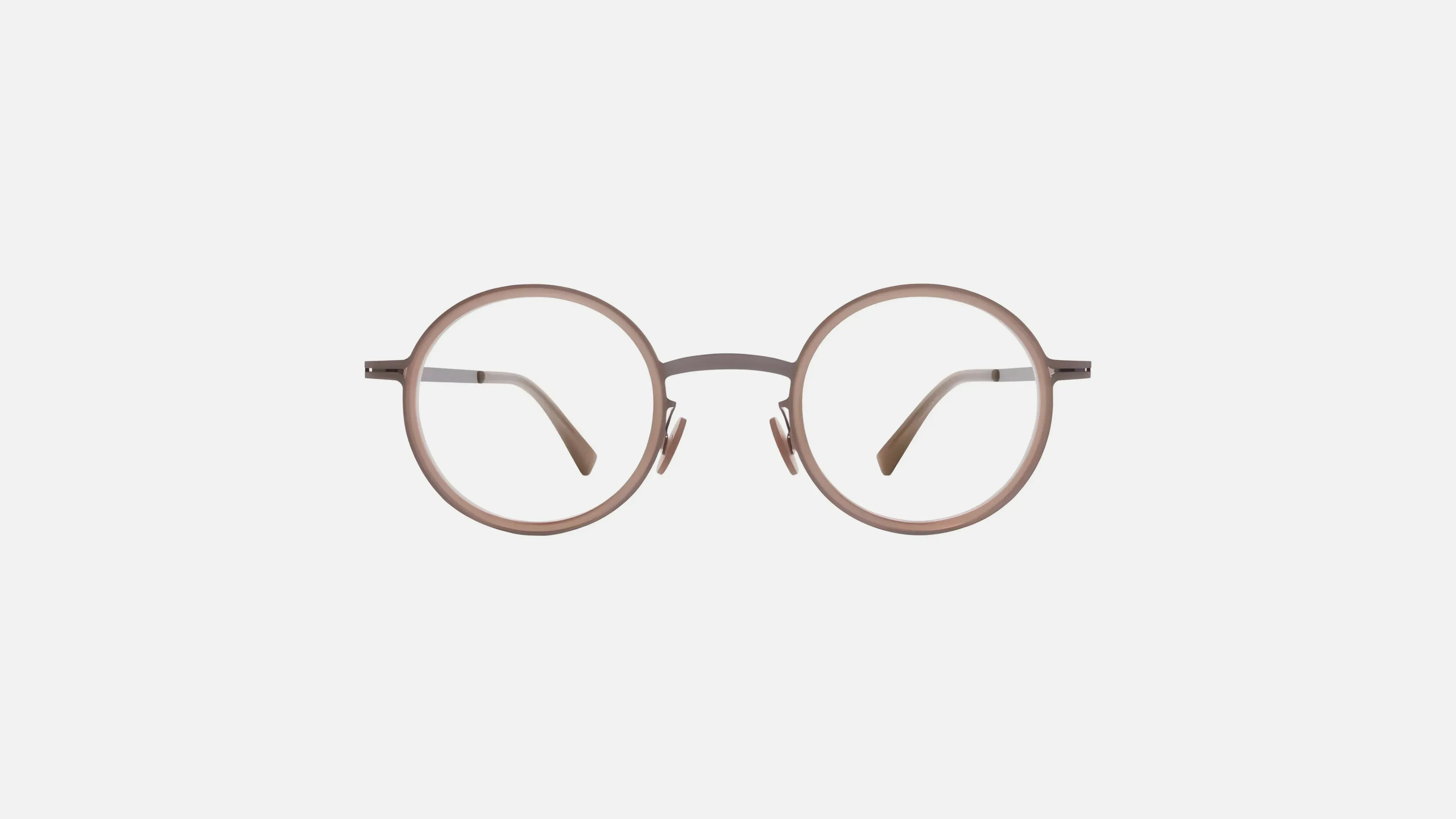
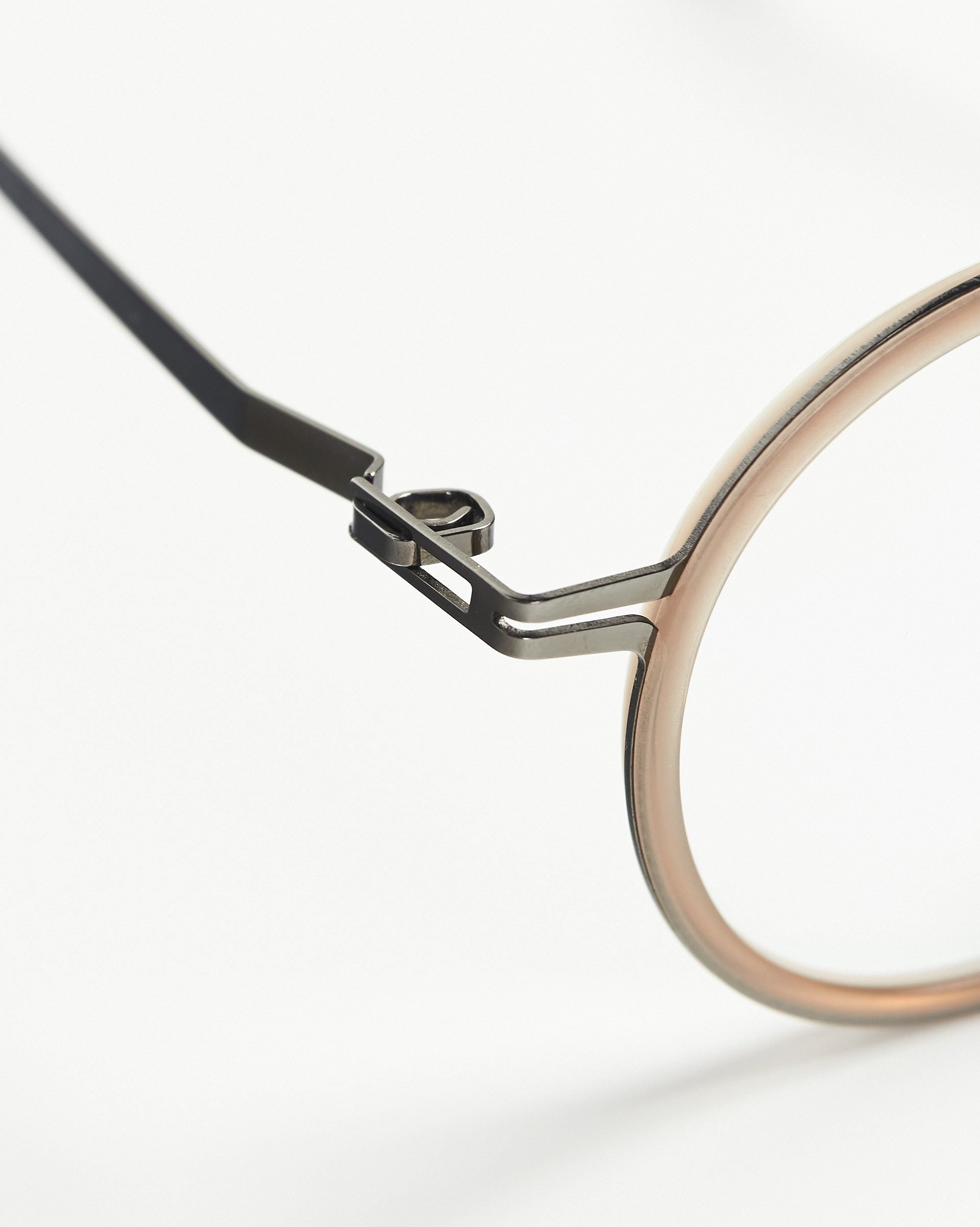
A perfectly round frame builtfrom two layered materials, where a thin steel ring and a soft acetate rim areshown together rather than one hiding inside the other.
EETU commits to a single,uncompromised geometry — a true circle — and lets its material construction,rather than its shape, provide visual interest. A slender stainless steel ringsits just outside a slightly thicker acetate rim, so the lens is framed twice,in two different materials and thicknesses, without either one dominating. Thislayering is legible even at a glance: the steel catches light as a thin brightline, while the acetate reads as a softer, warmer band just behind it. Thebridge and hinge are reduced to the minimum structure needed to hold the tworound lenses in relation to each other, keeping the whole object feeling lightdespite being built from a genuinely considered two-material system. This is adesign that finds real richness within a very narrow, disciplined vocabulary,and it certifies in the A class for doing so with consistent confidence acrossboth lenses.
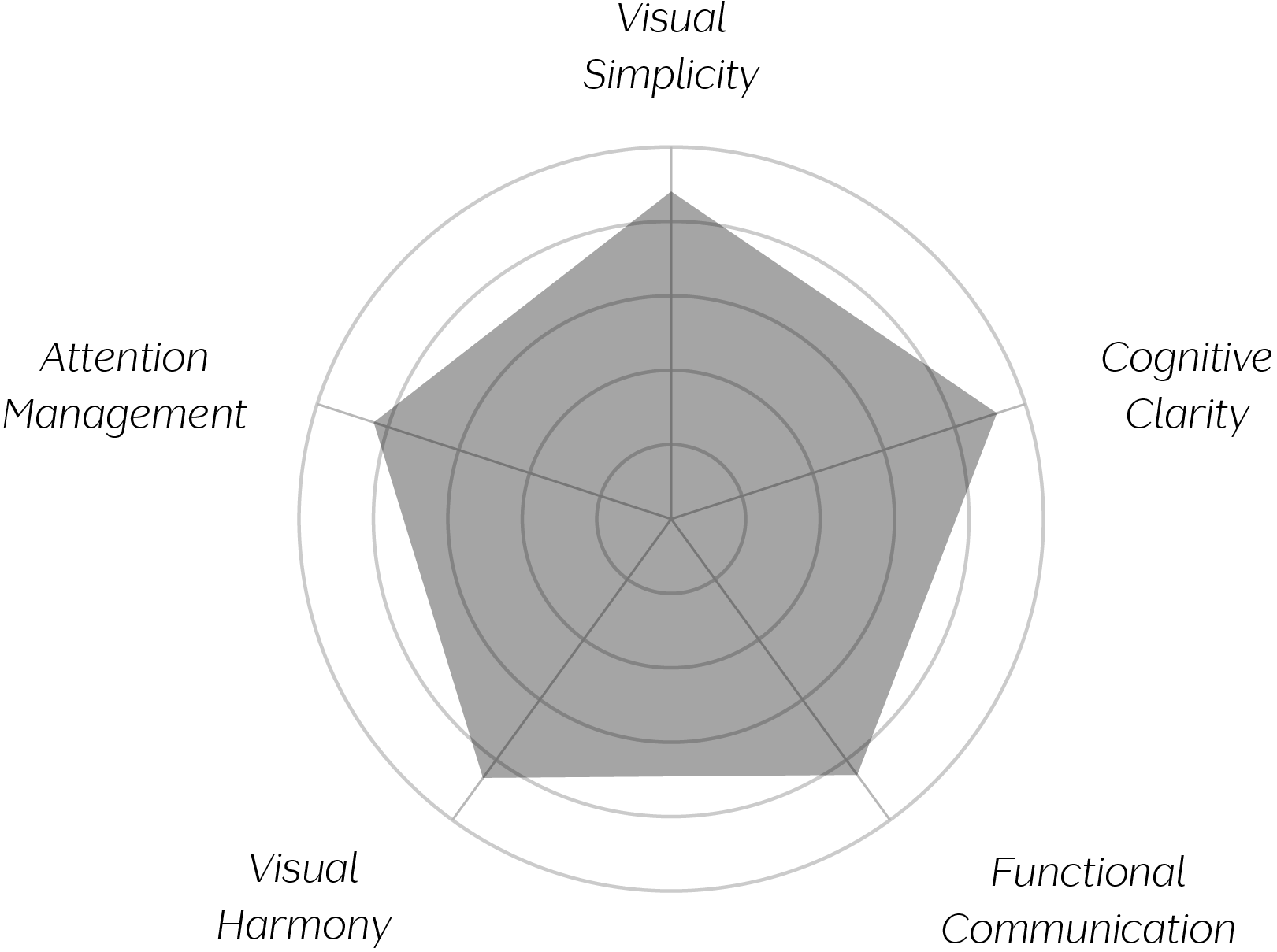
Vand Score 87 / 100
Performance across the five core Vand assessment dimensions.
EETU demonstrates that materialcontrast can be introduced through proportion and placement alone — sitting twomaterials of similar width directly beside each other — without needing colourcontrast or textural extremes to make the layering legible.
It also shows that a veryrestrained shape vocabulary, a single circle, can still carry genuine designinterest if the construction behind that shape is considered carefully enough.
Most instructively, the designproves that concealment is not the only way to achieve calm in eyewear —showing both materials openly, rather than hiding the steel structure insidethe acetate, keeps the object feeling honest about how it's built.
The evidence supportscertification at Class A. EETU succeeds by finding real design richness withinan extremely narrow formal vocabulary — one shape, two materials, repeated withtotal consistency across both lenses. The visible layering of steel and acetateis not decoration but a genuine structural idea, made legible through carefulproportion rather than contrast. It falls just short of the highest scoresbecause that two-material dialogue is not quite carried through every part ofthe frame — the bridge remains steel alone — and because the frame's mosttechnically interesting detail, its hinge, is not visible from the front. As aclosing observation: EETU proves that showing two materials working together,in equal measure and without disguise, can be more compelling than any single,more elaborate shape.