






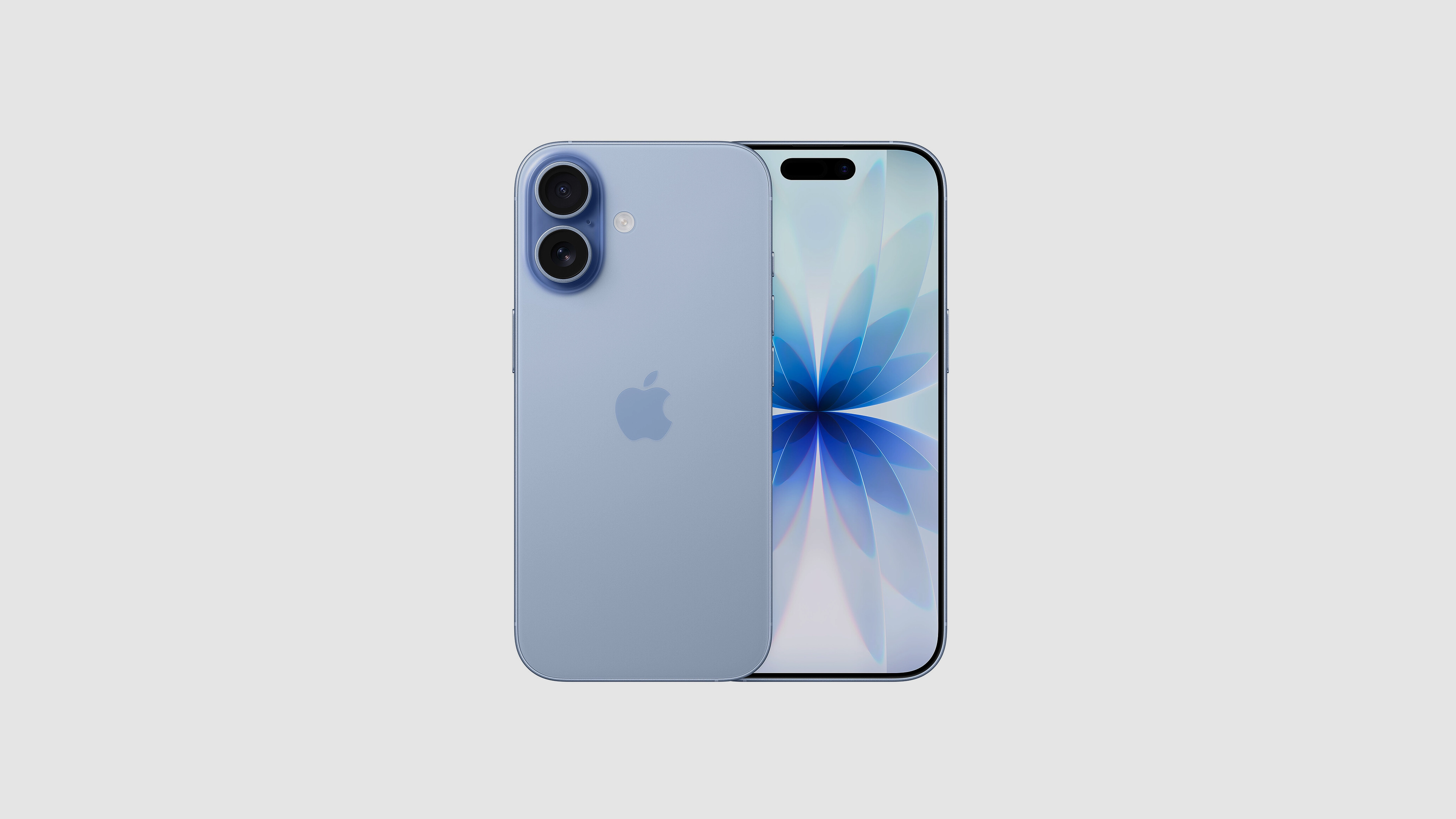
Product Name: iPhone 17
Brand: Apple
Category: Smartphone
Manufacturer: Apple Inc.
Designer: No publicly verified individual designer has been identified for this product.
Identification Confidence: High (brand, model, category); Not Applicable (individual authorship)
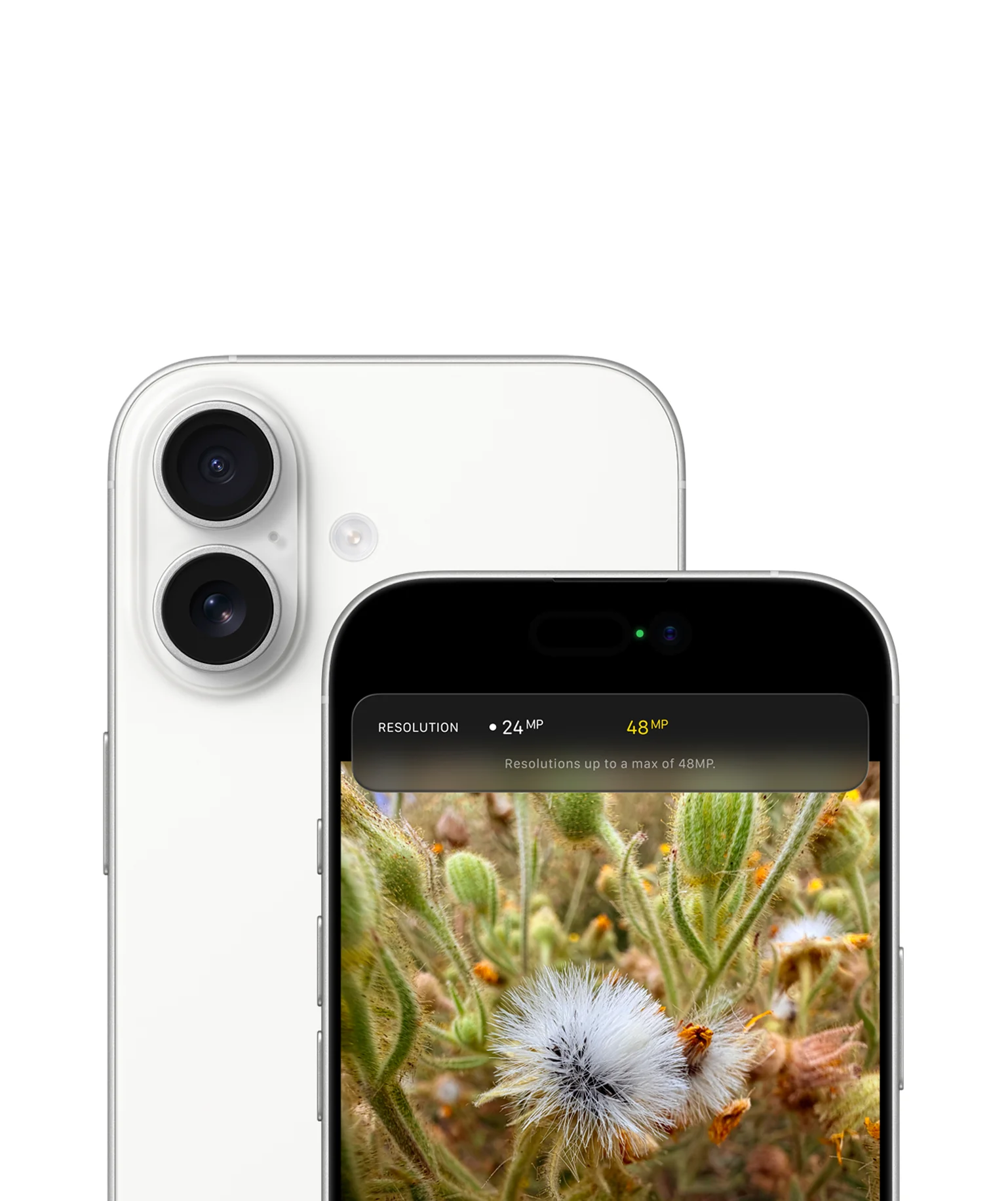
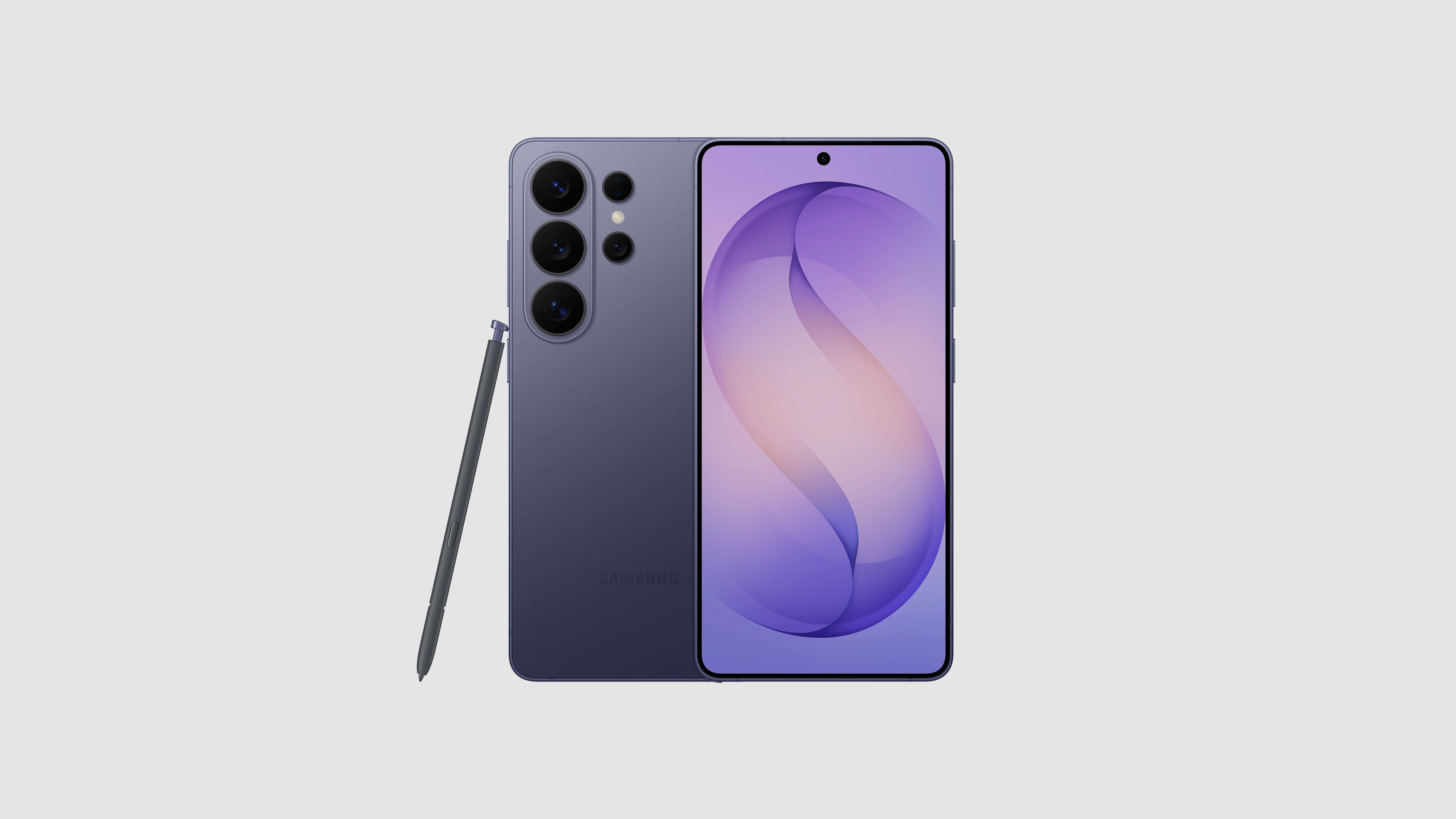
The iPhone 17 does not attempt to reintroduce itself. It refines an already resolved language — rounded rectangle, symmetrical camera cluster, uninterrupted glass front — and applies that refinement with evident discipline rather than novelty. The vertical dual-lens module sits in exact alignment with the flash and the physical buttons along the frame, and the front display, whether displaying a call, a photograph, or a system control, keeps its content centered and legible without visual competition from the hardware surrounding it. Color variants shift only the surface, never the structure, which is itself a statement of confidence: the form does not need reinvention to feel current. Where the design gives up a small margin of the top score is in the camera housing, whose raised, dark-glass plateau remains the one area of the object that visually asserts itself rather than receding — a deliberate hierarchy choice, but one that keeps this from being a fully invisible design. This is a mature, highly legible object that communicates competence through consistency rather than spectacle.
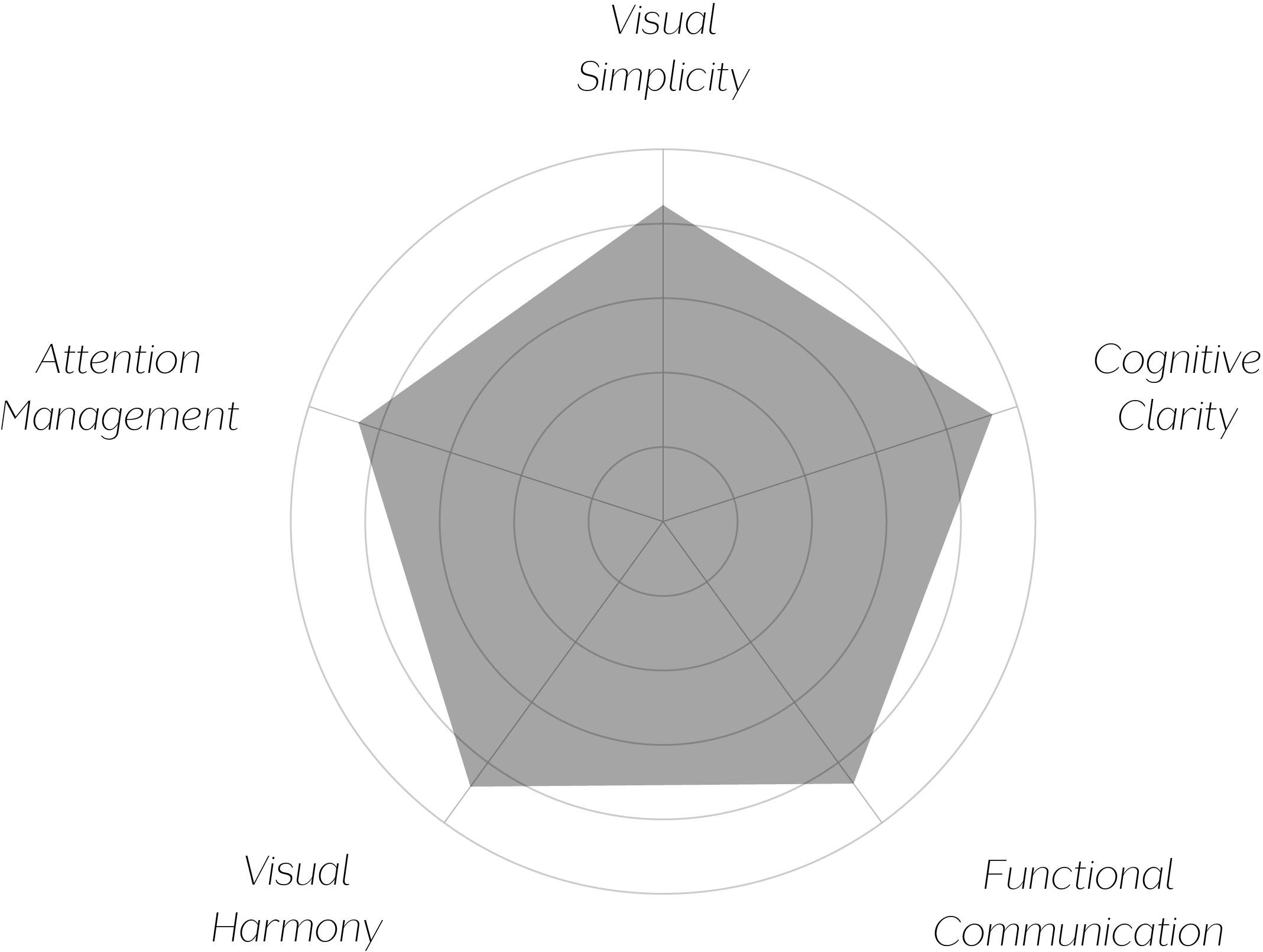
Vand Score 89/ 100
Performance across the five core Vand assessment dimensions.
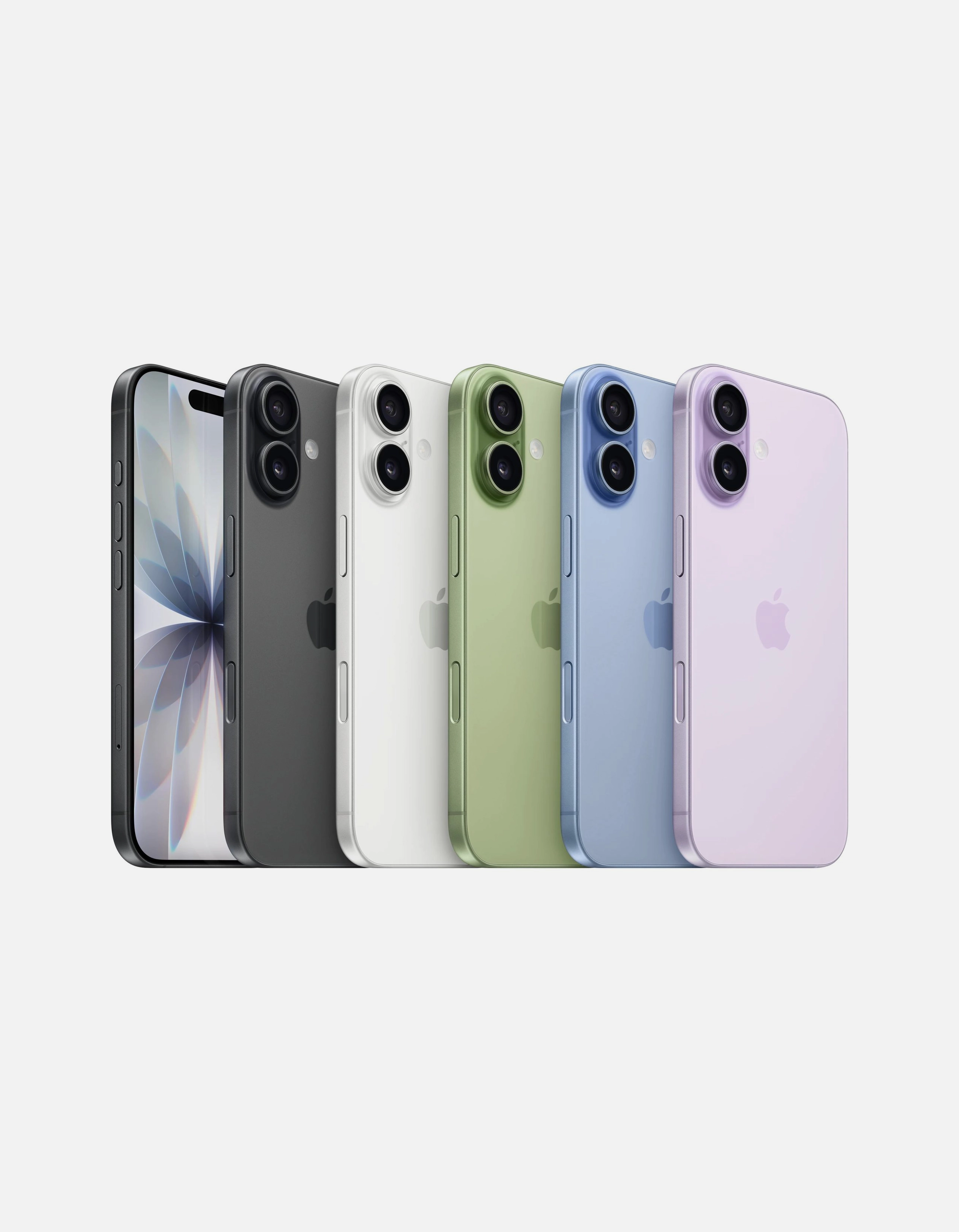
The iPhone 17 demonstrates that maturity in a design language is itself a legitimate design strategy. Rather than manufacturing novelty for its own sake, the object refines proportion, alignment, and material tone — the kind of change that rewards close attention rather than demanding immediate notice. This is a harder discipline to sustain than visible reinvention, and the consistency across every color variant shown suggests it has been genuinely internalized rather than merely maintained.
The treatment of the front-camera housing is a small but telling insight: keeping it as a compact, off-center pill rather than a larger interruption allows the display content to remain the visual subject at all times. This is a case where restraint at the component level protects clarity at the level of the whole object.
The camera module, meanwhole, teaches a different lesson — that a design can permit one area of visual assertion, provided it is honestly tied to function and handled with enough internal symmetry to feel resolved rather than accidental. It is the exception that proves the rest of the design's rule.
The jury's judgment is that this is a design earning its confidence honestly. Nothing about the iPhone 17 asks to be noticed, and that is precisely what makes it effective: proportion, alignment, and material consistency are handled with a level of discipline that only becomes visible when you look for it, not before. The one area where the design permits itself assertion — the camera module — is handled with enough internal logic that it reads as an intentional exception rather than a lapse.
Certification is awarded at Class A rather than A+ because that same camera module, however well resolved, remains the one place where the object's otherwise unbroken calm is interrupted. This is a minor tension in a design that is, on the whole, remarkably settled in itself.
A design does not need to announce its intelligence to have it — and the quietest part of this object may be its most convincing argument.