




Product Name: Electric Kettle
Brand: MUJI
Category: Electric kettle / kitchen appliance
Manufacturer: Ryohin Keikaku Co., Ltd. (MUJI)
Designer: Naoto Fukasawa
Identification Confidence: High— corroborated by multiple independent manufacturer, press, and designer-studiosources.
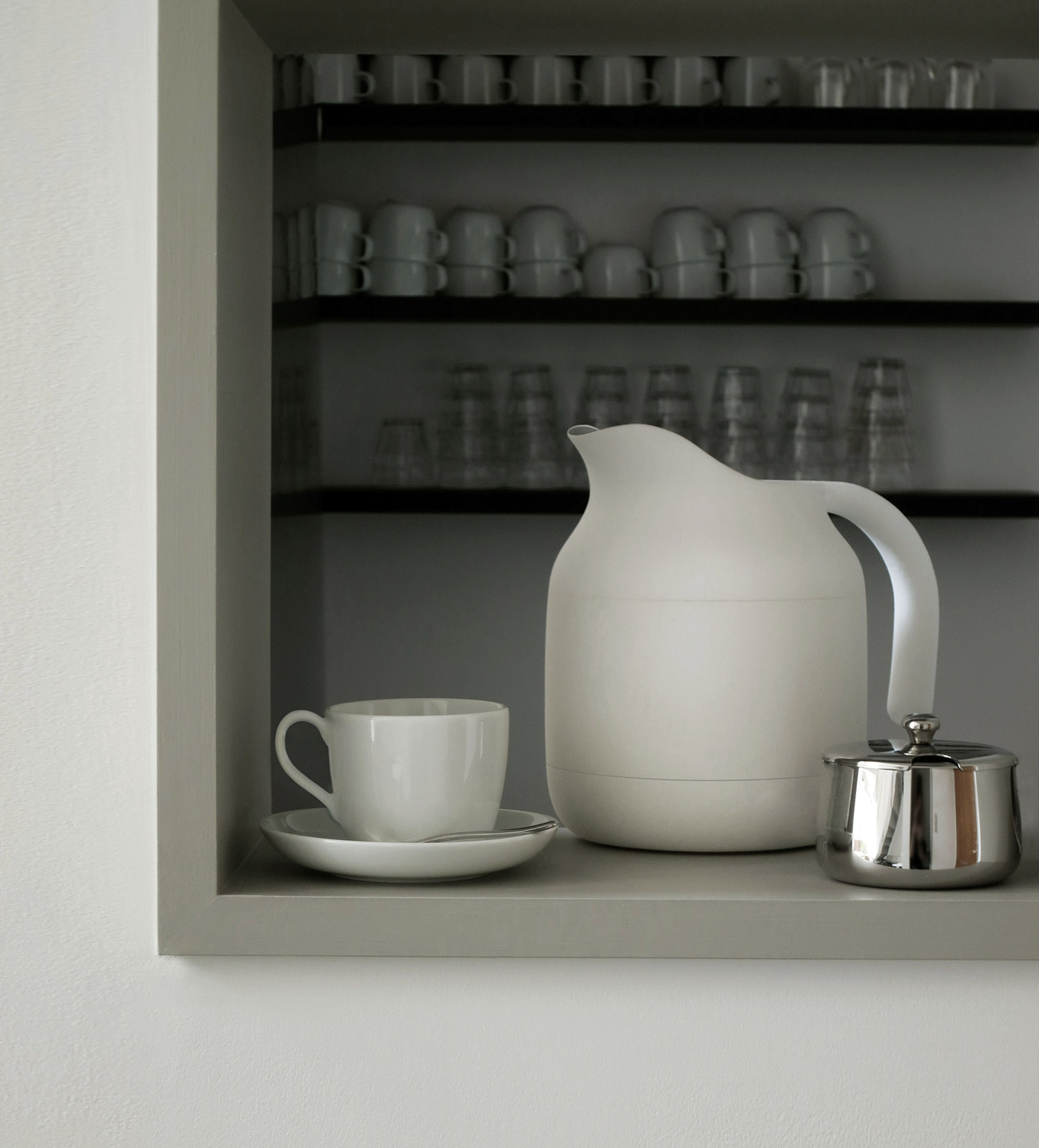
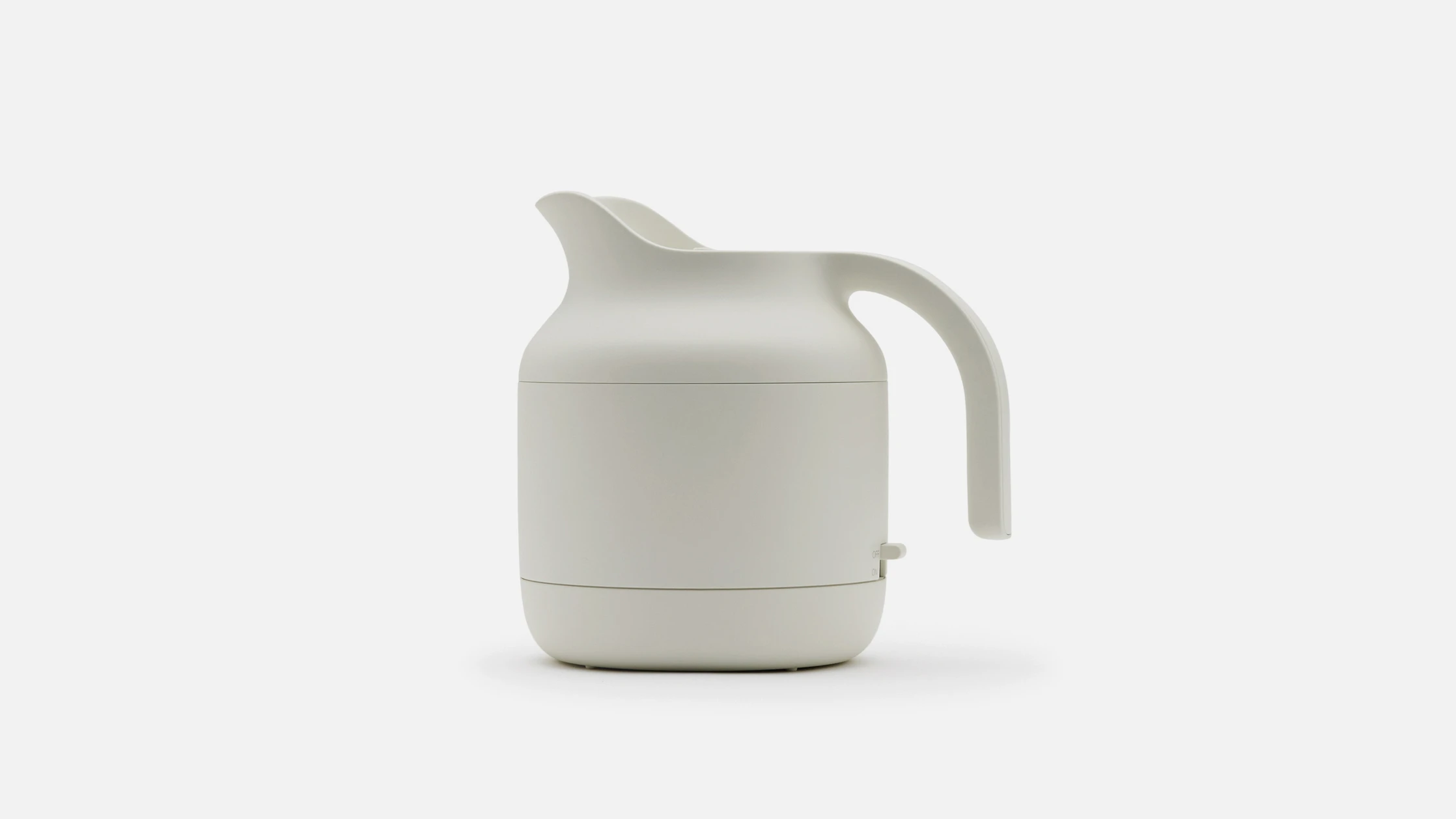
A kettle that borrows thesilhouette of a hand-poured pitcher, letting a single continuous curve carryboth its identity and its function.
This kettle succeeds by refusingto look like an appliance. Its spout and handle are drawn as one unbrokengesture — the same curved line that lifts from the body to form the pouring lipcontinues, echoed, into the loop of the handle — so the object reads first as apitcher and only second as an electric device. That reading is reinforced by abody kept almost entirely free of visible technology: a single seam divides theupper vessel from a lower base holding the switch, and nothing else interruptsthe surface. The on/off switch, small and placed low on the body, is the onlyvisible concession to its being powered at all. This is a design that trustsshape over signage to communicate both what the object is and how to hold it,and it does so with real confidence. It certifies in the A class for acomposition that is calm, legible, and genuinely well-proportioned, just shortof the very highest tier.
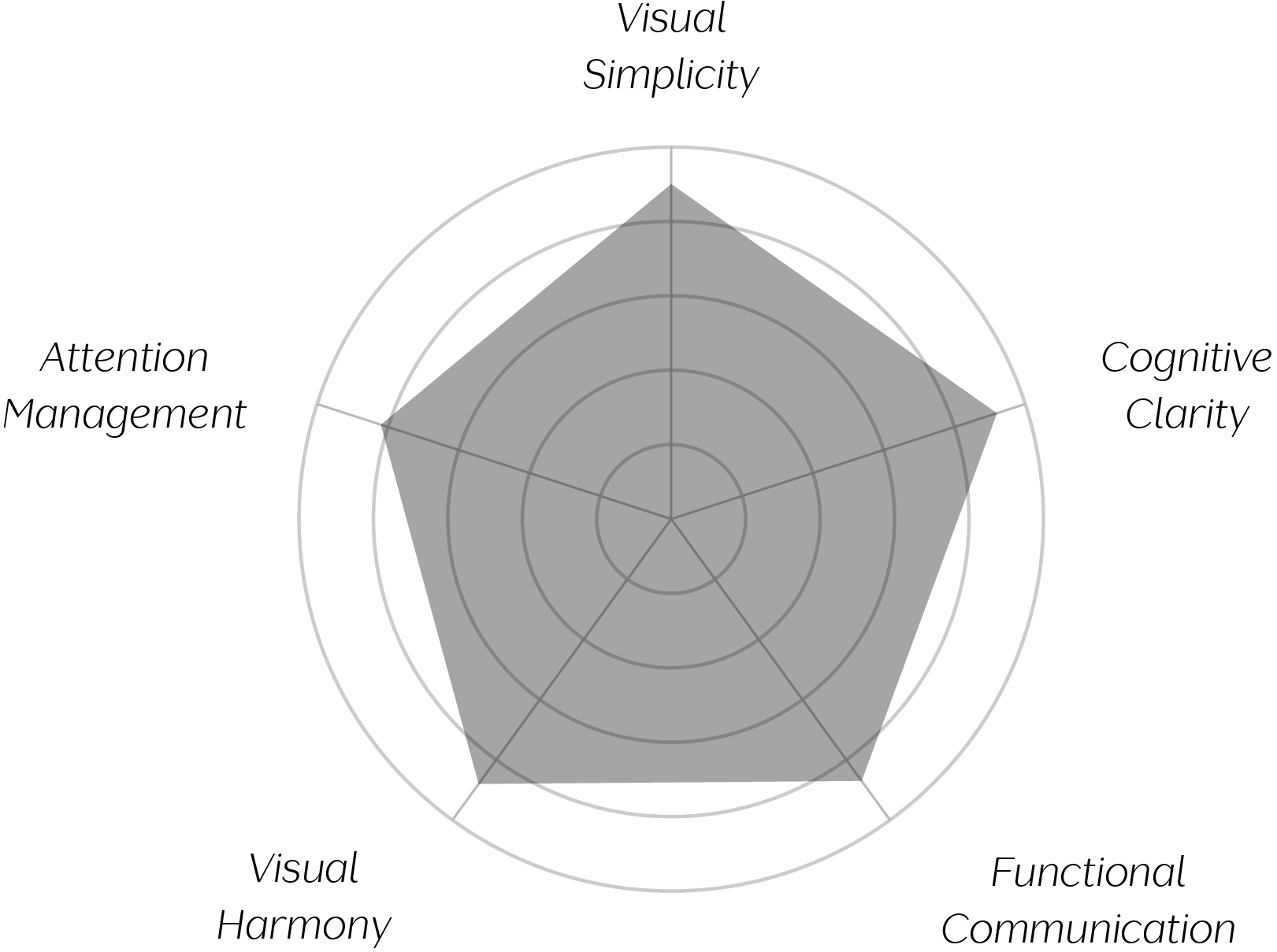
Vnad Score 88 / 100
Performance across the five core Vand assessment dimensions.
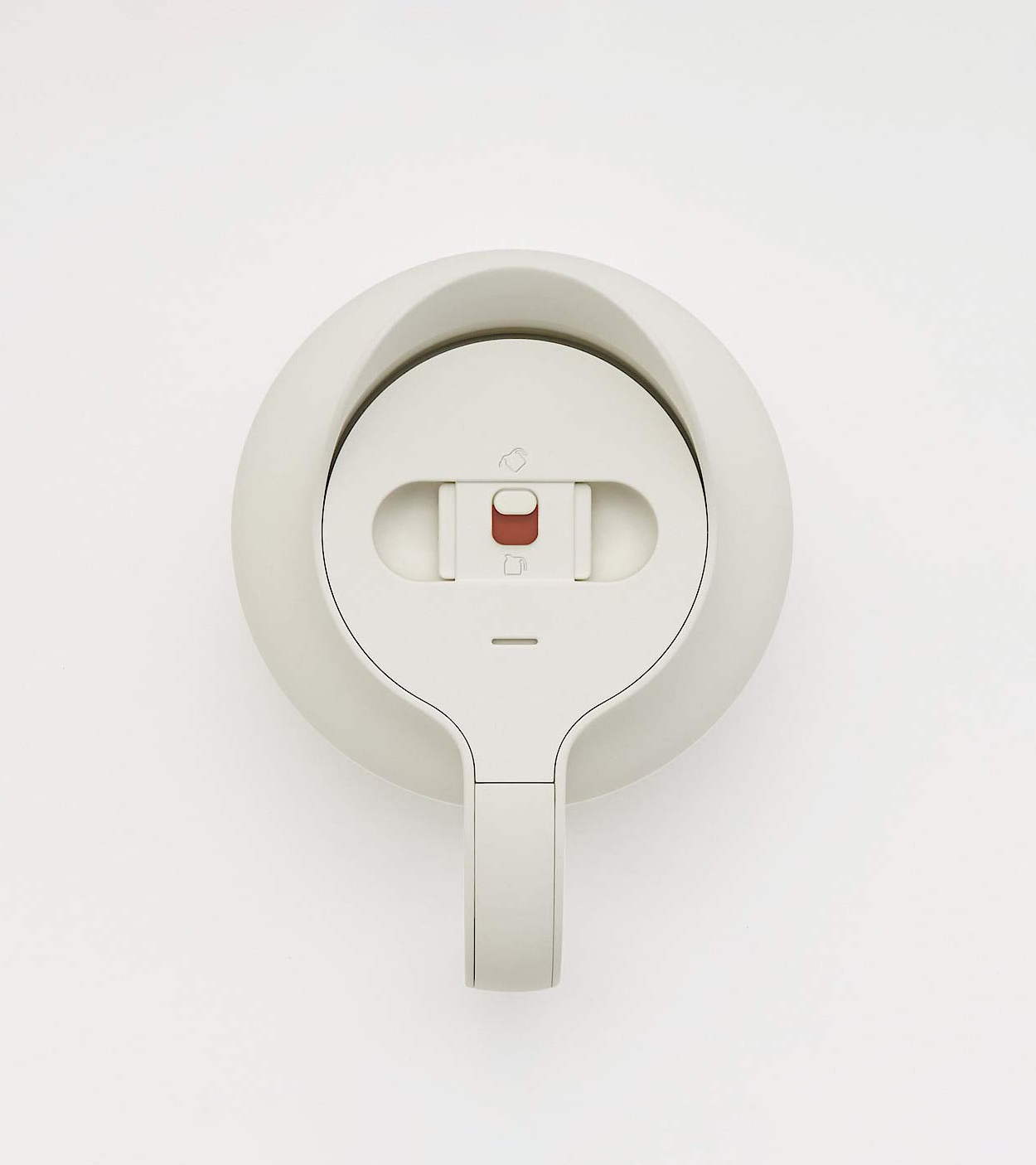
This kettle demonstrates that anappliance can borrow its entire formal identity from an older, pre-electricobject type — here, the ceramic pitcher — and that doing so convincinglyrequires treating the spout and handle as one continuous idea rather than twoseparately resolved features.
It also shows that concealmentcan be a design strategy rather than a compromise: by reducing the visibleevidence of its own mechanism to a single small switch, the object asks to bejudged by the standards of a poured vessel rather than an electric device.
Most instructively, the design proves that a matchingrhythm between two functional protrusions — spout and handle — can unify anobject more effectively than symmetry alone; the two curves are different infunction but recognizably related in gesture.
The evidence supportscertification at Class A. This kettle earns its place by refusing the visualconventions of its own category — no display, no visible button cluster, nowater-level window on this face — and replacing them with the calm, legiblelogic of a poured vessel. Its spout and handle, drawn as a shared gesturerather than two separate decisions, are the clearest evidence of real formaldiscipline, and the object's overall restraint gives it a presence closer toceramics than electronics. It falls just short of the highest scores becauseits two strongest features, while harmonious, are similar enough in visualweight that they share attention rather than clearly sequencing it. As aclosing observation: this kettle proves that an appliance can be redesigned asa vessel first and a device second, and that the resulting object is morelegible, not less, for the substitution.